NOD: ALEXANDROS VARDAXOGLOU IN CONVERSATION WITH NICOLAS VAMVOUKLIS
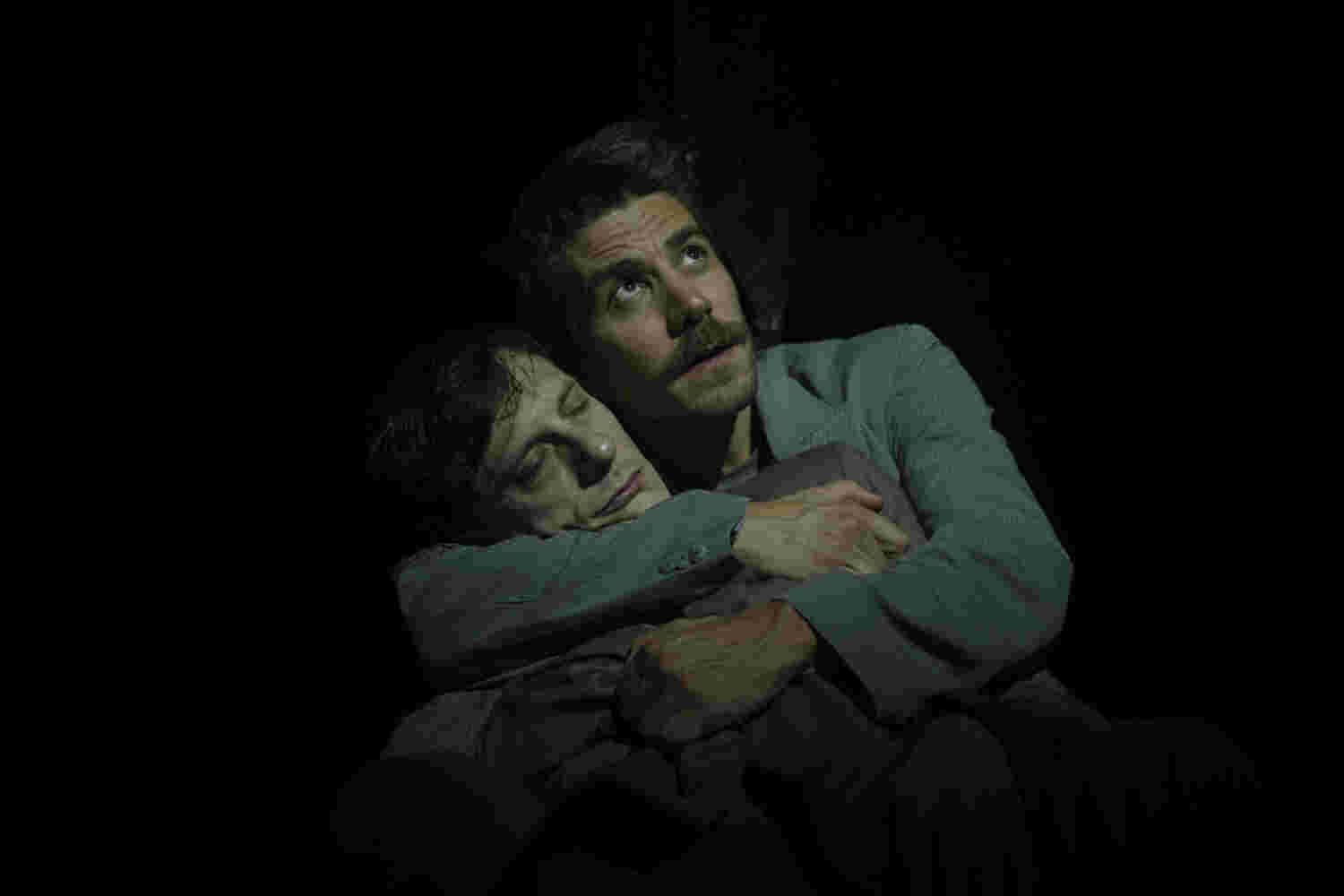
Alexandros Vardaxoglou speaks with curator Nicolas Vamvouklis about his new choreographic work, NOD, presented at the Athens Epidaurus Festival 2026 at Pireos 260 on 21 and 22 June. Their conversation explores the creation of this duet, which transports us to the land where Cain was exiled after murdering his brother Abel, as well as the contemporary res of this biblical story through humanity’s ceaseless wandering. They also discuss how contrast and repetition shape the piece, bringing the tension between roles and relationships into focus.
Nicolas Vamvouklis (NV): What is NOD, and how did it become the title and starting point of your new performance?
Alexandros Vardaxoglou (AV): NOD, from the Land of Nod, is the place to which, according to the Book of Genesis, God exiled Cain after he murdered his brother Abel. It has also been used in poetry to refer to the land of dreams. At the same time, I wanted to play with the meaning of the word “nod,” as a gesture or signal. I wanted to nod towards references and details that only an attentive viewer might notice.
NV: Why did you choose to bring the biblical story of Cain and Abel into the present? What makes it relevant today?
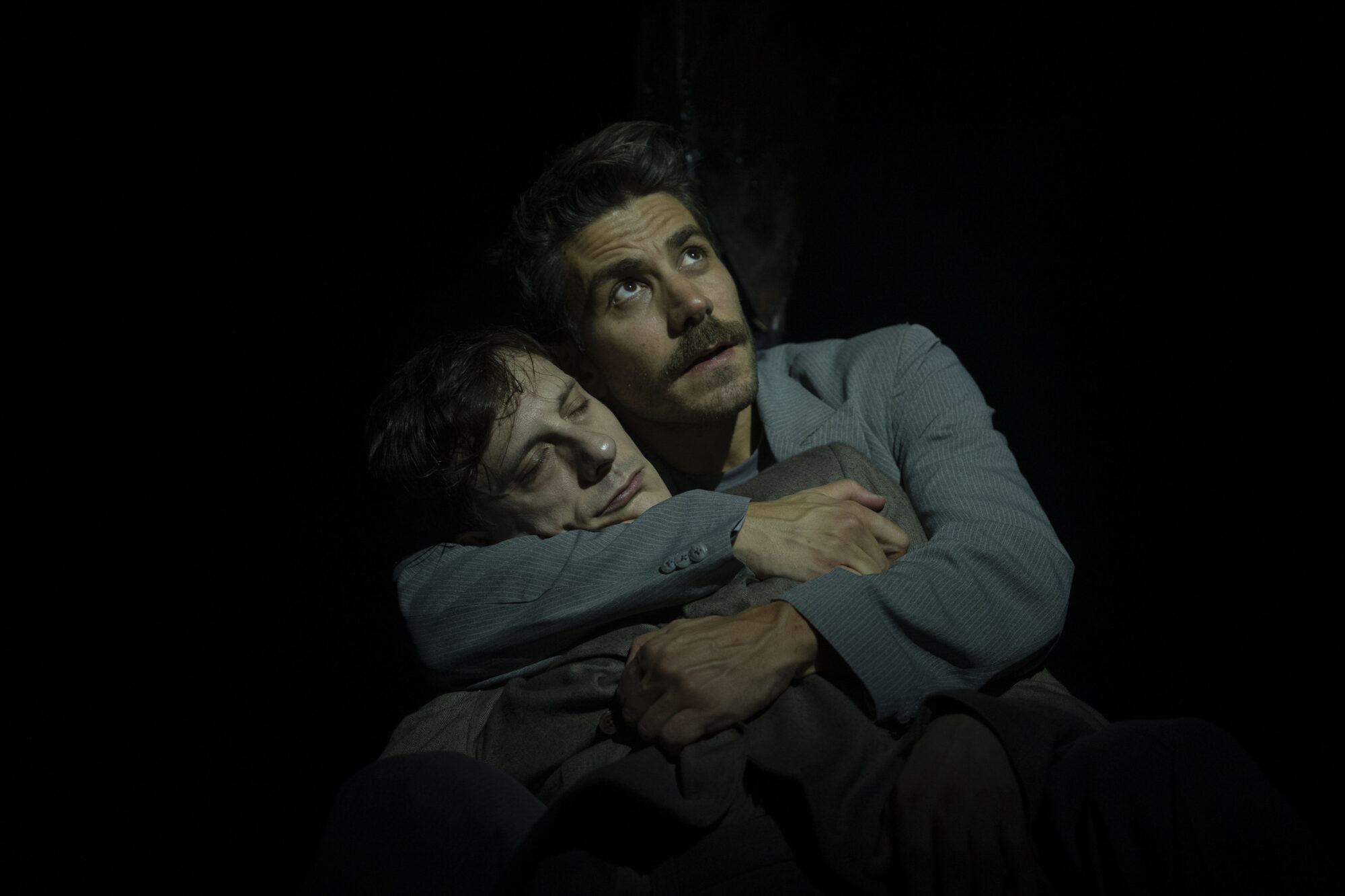
AV: It is a story that contains everything. It is a tale of love and violence, religious yet deeply ontological. It raises questions about the origins of violence, human nature and our relationship with the divine. What makes it relevant is that these figures, archetypes of an eternal conflict, compel us to look at the world and ask whether we have truly understood the pain we continue to inflict out of envy and the desire for dominance.
NOD © Christos Symeonides
NV: The work is a duet with Nontas Damopoulos. How did you work together to shape it?
AV: The work began with Nontas Damopoulos and was completed with Yiannis Tsigkris. We initially worked through a great deal of improvisation, searching for the movements and relationships that could best convey the story. I would therefore describe it, to a very large extent, as a co-creation.
NV: What challenges arise when you perform in a work that you have also choreographed?
AV: Many. So many, in fact, that I honestly do not know whether I would want to do it again. You cannot maintain the clear, composed eye that observes and guides. I might have made different choices had I been outside the work and able to see it from a distance.
NV: Cain and Abel wander through a placeless world. Tell me about this context and the role played by the set design.
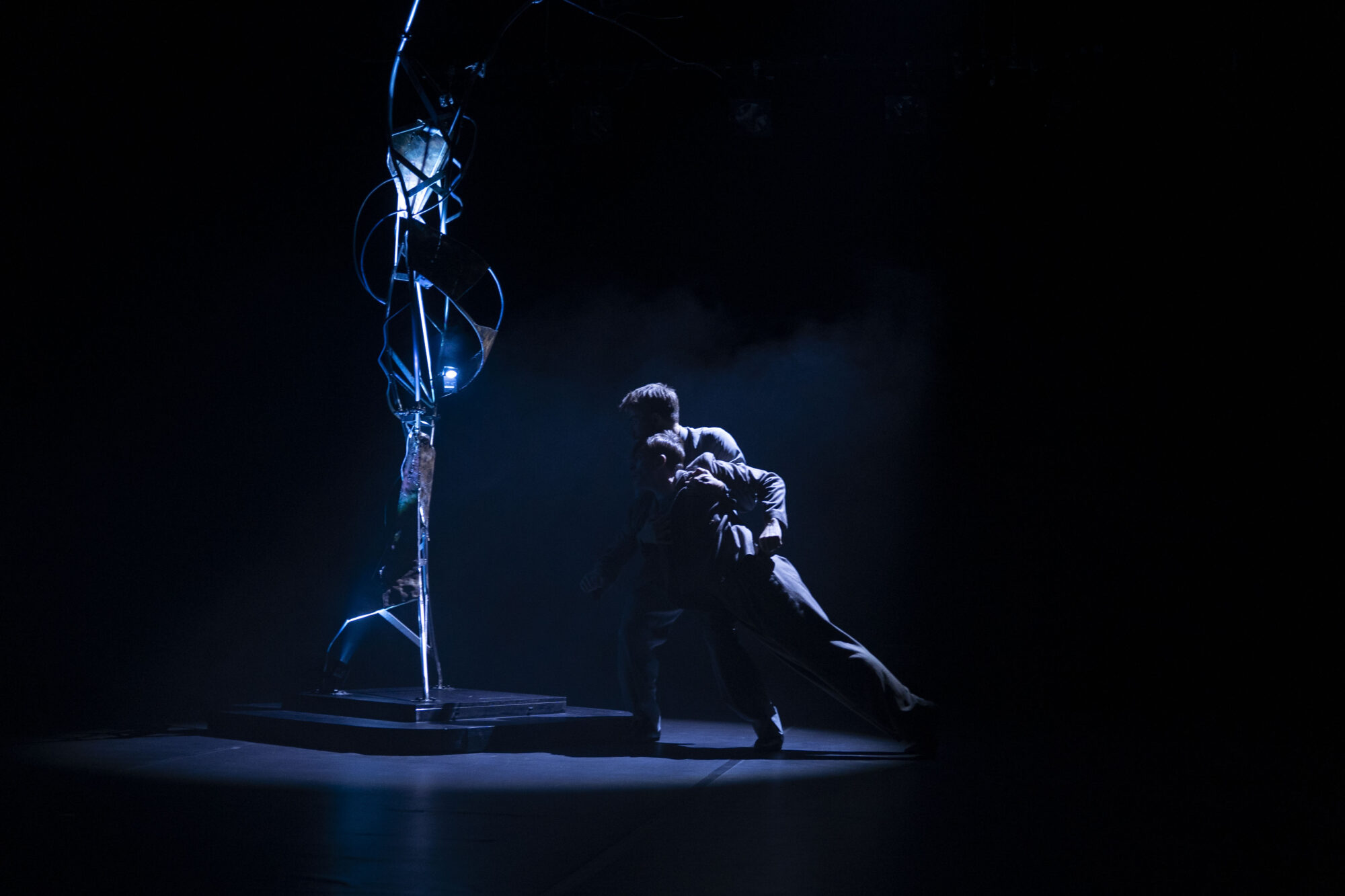
AV: This world is a barren, timeless place. The human element feels almost alien. Evangelia Bakogianni’s set, a metal tree, comments on a natural world that has disappeared entirely. Nothing organic remains. Human destructiveness will lead to a landscape that is lifeless and extinct. The trees beneath which we once gathered in public squares and played as children have become metallic carcasses. We kill one another and, at the same time, destroy nature.
NOD © Christos Symeonides
NV: The two figures onstage appear trapped in a loop, as though they are constantly reliving the same day. How does time function here?
AV: Time does not really exist. Through the otherwise familiar device of the loop, I wanted to expose the relentless, recurring violence of human history. As long as we continue to reproduce this cycle, Cain and Abel will remain its first victims and enduring symbols of mutual destruction.
NV: The tango returns three times, each time in a different variation. Why did you choose this motif?
AV: The tango, originally a combative dance between men and later an erotic one, perhaps represents the moments of greatest intimacy and peace between them: they become dance partners. As the work progresses, the tango grows increasingly brief as the bloody outcome approaches. What unites them in a shared effort gradually disappears.
NV: In the relationship between the two brothers, play is always close to conflict. There is something very “boys will be boys” about this dynamic. What does it reveal about the characters?
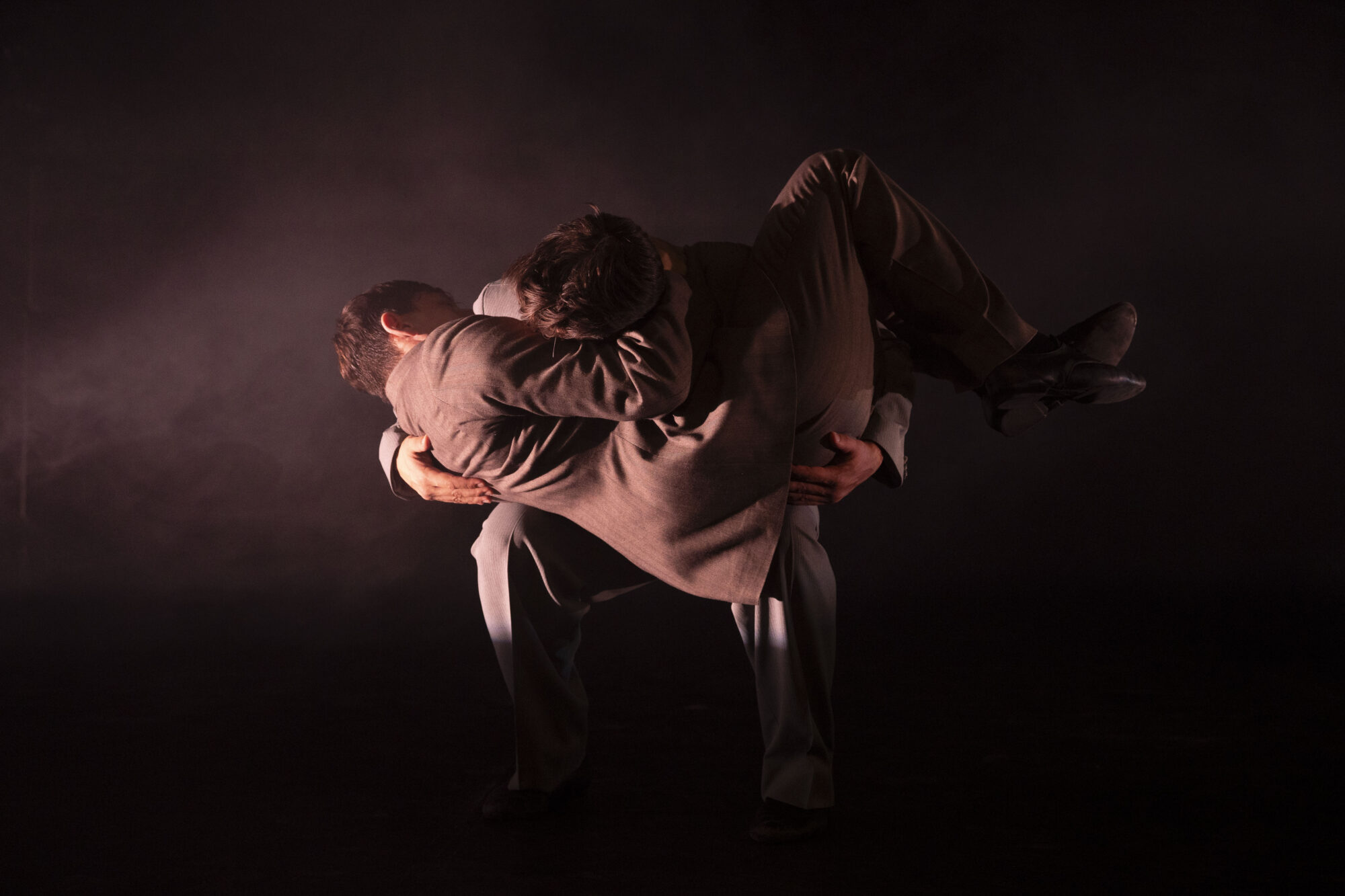
AV: We are speaking about a story in which a man introduces murder into the world. Men are responsible for a very large proportion of the violence around us, and we witness this every day. I therefore wanted this dynamic of confrontation to function in an ironic, almost mocking way. It reveals how their desire for dominance outweighs their need for love, and the price they pay for it.
NOD © Christos Symeonides
NV: At certain moments, an electronic voice guides the protagonist and intensifies the atmosphere. What is this presence?
AV: This otherworldly voice is the only female one we hear. It is the feminine presence, the mother, love and the desire to escape. Yannis Angelakis and I wanted the music to have an electronic, uncanny quality because, in this world, everything human and natural has been destroyed. Every sound reaches us distorted and unsettled.
NV: Despite its scenes of violence, the performance leaves room for tenderness and care. What does caring for someone mean to you?
AV: In this story, love becomes visible through loss. The most tender moment comes after the murder, when Cain briefly feels the loss and loneliness awaiting him. To care for someone means refusing to surrender to envy and fear. It means fighting for love in every possible way.
NV: What feeling would you like the audience to leave NOD with?
AV: I do not know. Perhaps a sense of sorrow for the human condition. Cain could have chosen differently, but he chose violence. Is there a way out? And if not, how do we reconcile ourselves with the harsh truth that it may be in our nature to destroy what we love until nothing remains?
Read more about the performance here: https://art-works.gr/en/project/nod/
Photo: Christos Symeonides
This performance is presented within the framework of the Athens Epidaurus Festival 2026.
NOD is supported by the 2025 ARTWORKS Grants programme, which is funded by the Stavros Niarchos Foundation (SNF) and other individual donors.
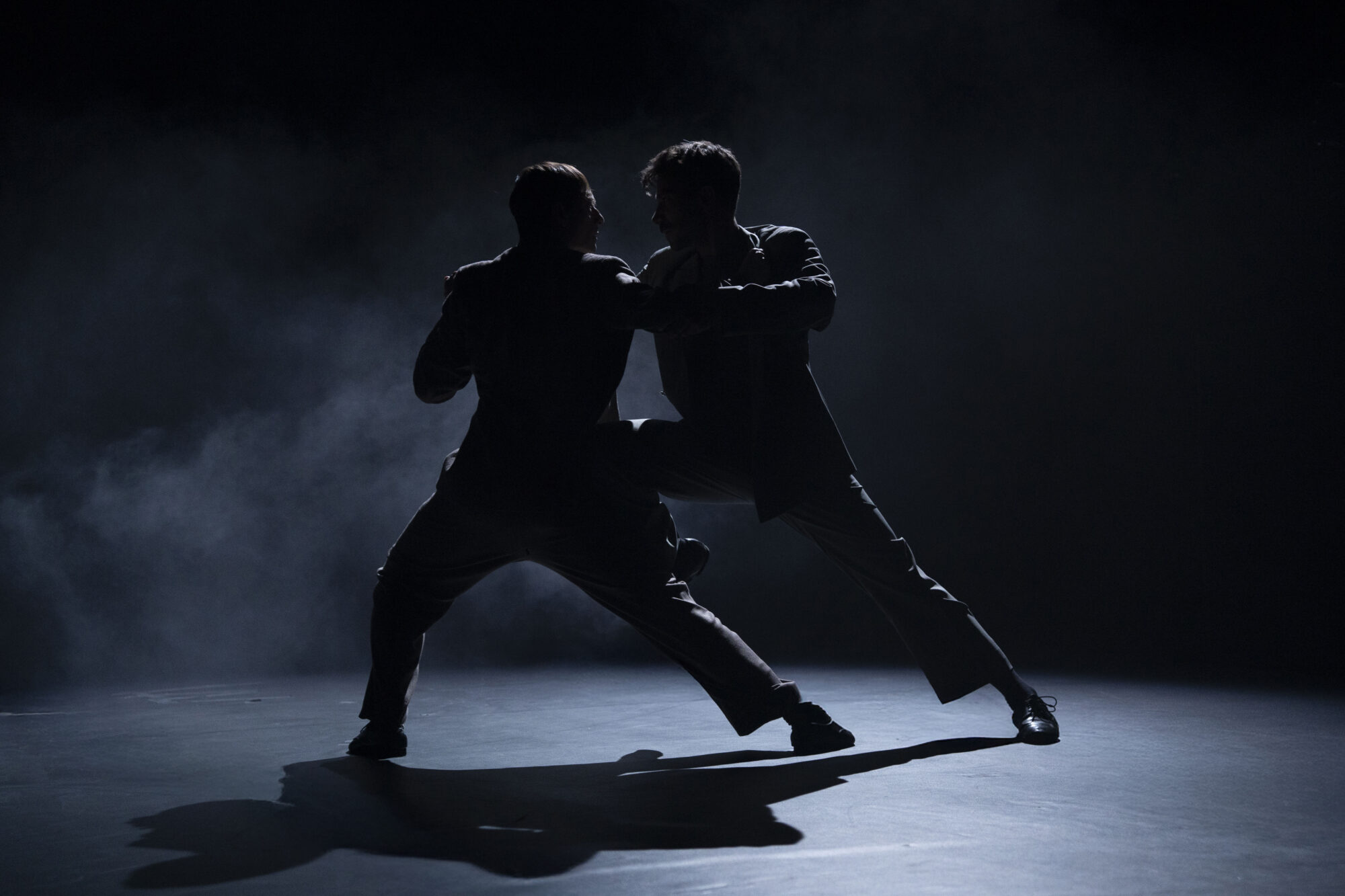
NOD © Christos Symeonides